


Heat-Related Illness (HRI) Mitigation in Agriculutre
We developed data-driven predictive models and physiological monitoring systems for experimental evaluations of Heat-Related Illness (HRI) risks and the performance of various mitigation strategies on agricultural workers.
The study includes extensive model and infrastructure development, including machine learning algorithms for WBGT prediction, wearable sensor integration, activity level testing, and extensive fieldwork to evaluate different environments like AgriVoltaic systems. The study includes five sections:
ML-Based WBGT Prediction
WBGT prediction is modeled using advanced machine learning algorithms to determine environmental heat stress under different types, locations, and amounts of weather data.
This helps identify potential heat stress risks before a worker becomes dangerously exposed.
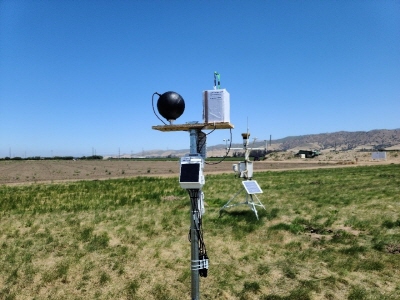
Advanced WBGT Prediction & Evaluatio
WBGT prediction is evaluated using advanced computational models to forecast future heat stress levels across different environmental conditions.
This helps provide proactive and reliable heat risk forecasts, allowing managers to plan safer operational conditions and work-rest cycles ahead of time.

Activity Level Tracking
Physical exertion and activity levels are continuously measured using smartphone accelerometers to generate dynamic Counts Per Minute (CPM) data.
This helps assess real-time workload intensity and its impact on core body temperature, supporting highly accurate personalized heat risk predictions.
Physiological Monitoring
Physiological strain is measured using a sensing setup that includes wearable sensors and dynamic algorithms under several field tests, including continuous heart rate and core body temperature monitoring.
This helps identify potential physiological tipping points before a worker becomes severely heat-stressed.
Wearable & Mobile Heat-Risk Alerting App
Heat-related illness risk is continuously monitored using a mobile application that integrates environmental data, wearable physiological sensors (Heart Rate), and activity tracking (CPM) into a real-time machine learning predictive model (XGBoost).
This helps generate threshold-based personalized safety alerts (e.g., Safe, Caution, Danger) to provide timely intervention and emergency guidance before a worker's core body temperature reaches critical limits.