

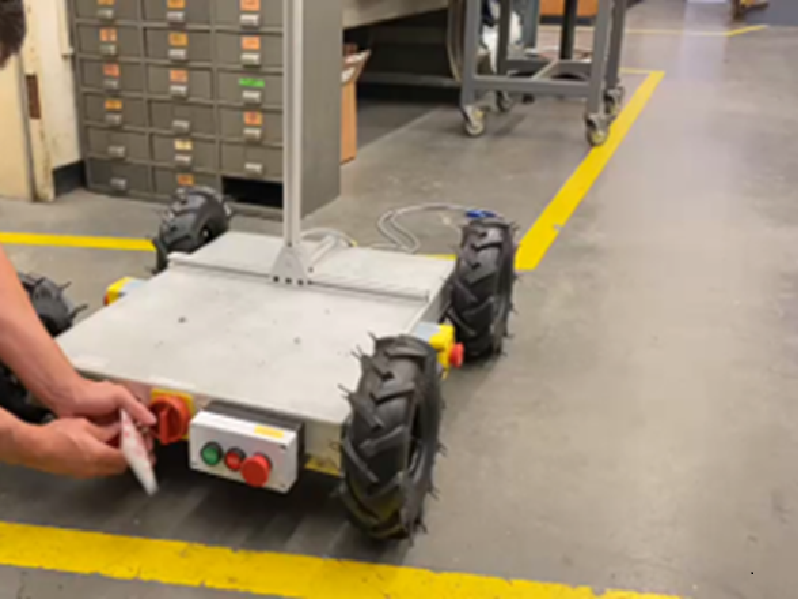
Additionally, with the introduction of autonomous agricultural robots, we are conducting research to ensure their safe implementation and minimize worker hazards.
Agricultural Robotics and New Technologies Safety
Balancing Innovation and Worker Safety in Agriculture
The use of autonomous vehicles, robotics, and AI-driven technologies in agriculture has the potential to enhance productivity, reduce labor costs, and improve precision farming. However, these technologies also introduce new risks to worker safety and health, requiring proactive measures to ensure safe implementation and operation.
To address these concerns, our research team is conducting:
- Literature Reviews – Examining existing studies, standards, and regulations on automation risks and best practices in agriculture.
- Safety Assessments – Evaluating potential collision risks, sensor limitations, and operator-machine interactions.
- Pilot Projects – Investigating strategies to integrate autonomous technologies safely in farm environments.
Pilot/Feasibility Program (2022-2027)
The Western Center for Agricultural Health and Safety (WCAHS) Pilot/Feasibility Program, led by our PI, is a CDC/NIOSH-funded initiative supporting research in agricultural health and safety.
Key Program Highlights
- Over the past two years, the program has funded seven research projects aimed at improving agricultural worker safety.
- The PI oversees a review panel and supports researchers in developing proposals and refining study methodologies.
- The initiative fosters collaboration among universities, industry leaders, and policymakers to enhance worker protection in agriculture.
Collaboration with AHMCT: Worker Safety in Highway Maintenance
Our lab is partnering with the Advanced Highway Maintenance and Construction Technology (AHMCT) Research Center on a Caltrans-funded project titled "Development of a Worker Safety Performance Estimation Tool in Maintenance Zones".
Project Goals
- Evaluate the current performance of the Roadside Worker Safety tool for highway maintenance zone workers.
- Conduct a literature review to find relevant research and practical methods to modify the tool.
- Collect and analyze different datasets to provide practical and data-driven recommendations to improve the tool's accuracy
This two-year project aligns with our mission to apply advanced technologies for improving worker safety in both agricultural and infrastructure sectors.
Why This Research Matters
- Ensures a safer workplace for highway maintenance zone workers.
- Supports the development of a precise data-driven decision-making tool to assess the effectiveness of several roadside features in improving the workers safety.
- Advances safety tools and risk assessment strategies in high-hazard industries.
Agricultural Robotics and New Technologies Safety
Balancing Innovation and Worker Safety in Agriculture
The use of autonomous vehicles, robotics, and AI-driven technologies in agriculture has the potential to enhance productivity, reduce labor costs, and improve precision farming. However, these technologies also introduce new risks to worker safety and health, requiring proactive measures to ensure safe implementation and operation.
To address these concerns, our research team is conducting:
- Literature Reviews – Examining existing studies, standards, and regulations on automation risks and best practices in agriculture.
- Safety Assessments – Evaluating potential collision risks, sensor limitations, and operator-machine interactions.
- Pilot Projects – Investigating strategies to integrate autonomous technologies safely in farm environments
Collaboration with AHMCT: Worker Safety in Highway Maintenance
Our lab is partnering with the Advanced Highway Maintenance and Construction Technology (AHMCT) Research Center on a Caltrans-funded project titled: "Development of a Worker Safety Performance Estimation Tool in Maintenance Zones".
Project Goals:
- Evaluate the current performance of the Roadside Worker Safety tool for highway maintenance zone workers.
- Conduct a literature review to find relevant research and practical methods to modify the tool.
- Collect and analyze different datasets to provide practical and data-driven recommendations to improve the tool's accuracy

Why This Research Matters
- Ensures a safer workplace for highway maintenance zone workers.
- Supports the development of a precise data-driven decision-making tool to assess the effectiveness of several roadside features in improving the workers safety.
- Advances safety tools and risk assessment strategies in high-hazard industries
Pilot/Feasibility Program (2022-2027)
The Western Center for Agricultural Health and Safety (WCAHS) Pilot/Feasibility Program, led by our PI, is a CDC/NIOSH-funded initiative supporting research in agricultural health and safety.
Key Program Highlights:
- Over the past two years, the program has funded seven research projects aimed at improving agricultural worker safety.
- The PI oversees a review panel and supports researchers in developing proposals and refining study methodologies.
- The initiative fosters collaboration among universities, industry leaders, and policymakers to enhance worker protection in agriculture.